

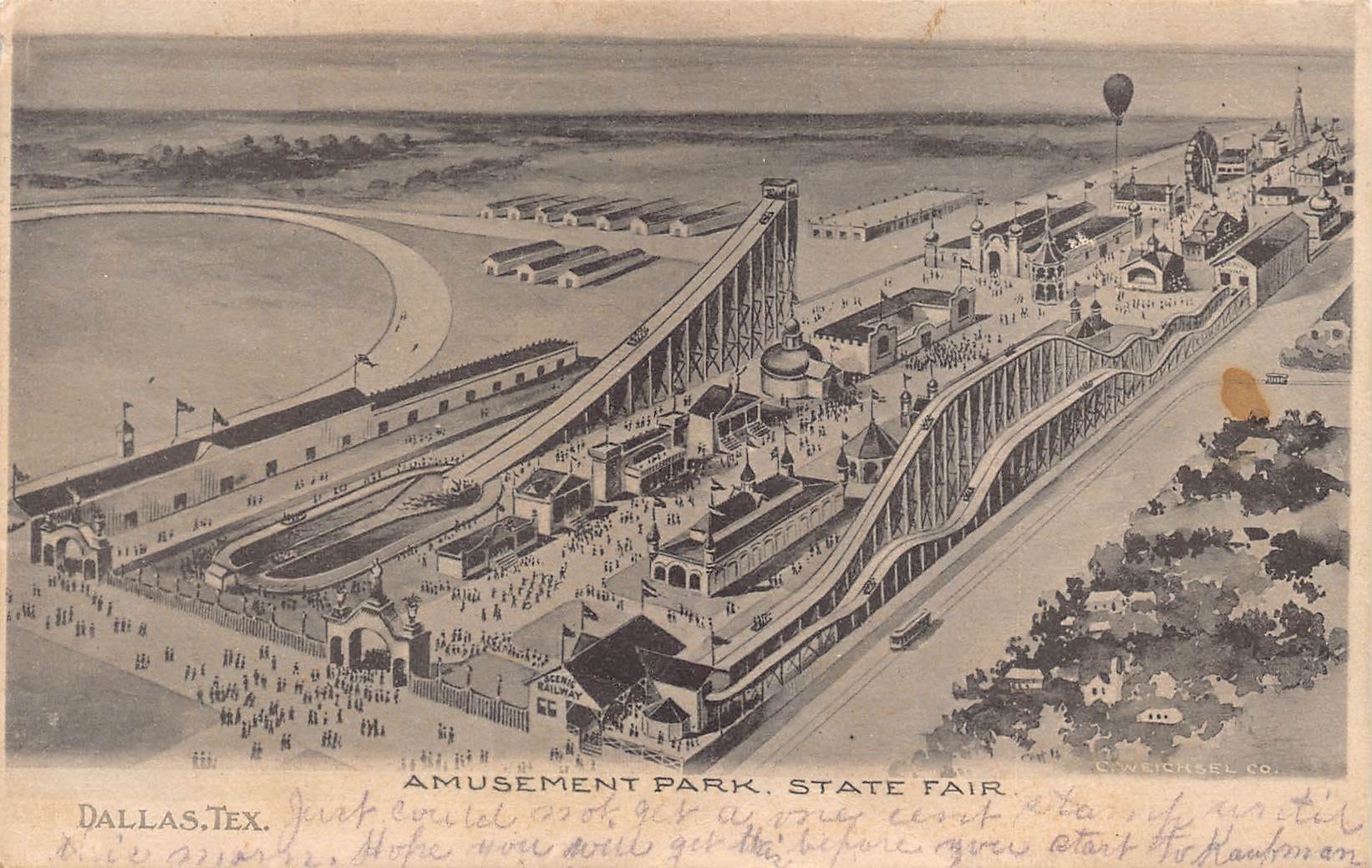
Every October, Fair Park fills with crowds looking for cotton candy, and Big Tex. That’s not me. I love cotton candy, but I hate crowds. So, when I decided to bring Dallas Rediscovered to the State Fair season, I wanted something different. I wanted to create an exhibition that could tell the amazing story of our State Fair’s history. As my collection evolved, I found it contained a rich history of the musicals that have called the fair home. Those musicals have become the cornerstone of this exhibition.
I wanted a dedicated space where people who appreciate our past could slow down, look closely, and find something real. So, I staked my claim in Cedar Springs at the brand-new Quarterly Coffee Bar, giving myself room to curate without the noise. And yes, we have cotton candy!
The Musicals
Fair Park’s musical theater tradition began on June 12, 1941, when the Band Shell hosted “Opera Under the Stars” with Sigmund Romberg’s Blossom Time, an operetta about Franz Schubert. Ticket prices ranged from 30¢ to $1.10.
The Fair Park Band Shell, built in 1936 and designed by Dallas theater architect Scott Dunne, is an Art Deco and Streamline Moderne amphitheater that seats up to 4,042. It was refurbished in 2000 to reflect its original design, with new lighting, roofing, and doors. It’s still in active use to this day.
Throughout the 1940s, the Starlight Operettas kept operetta as the theater’s mainstay while adding contemporary Broadway musicals. In 1947, they introduced a star system and convinced Mary Martin to premiere her national tour of Annie Get Your Gun—which set box office records with 105,000 people attending over two weeks.
The organization was rebranded as the State Fair Musicals and relocated to the Music Hall at Fair Park, which offered greater staging flexibility and audience comfort (read basic air cooling. Air conditioning wouldn’t arrive until 1954). In 1948, they previewed Porgy and Bess with Leontyne Price and William Warfield.
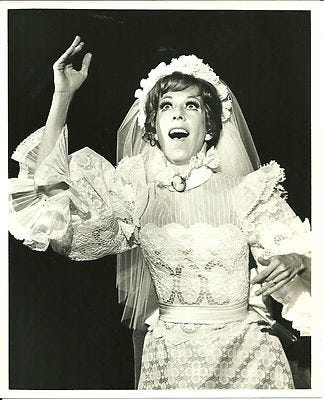
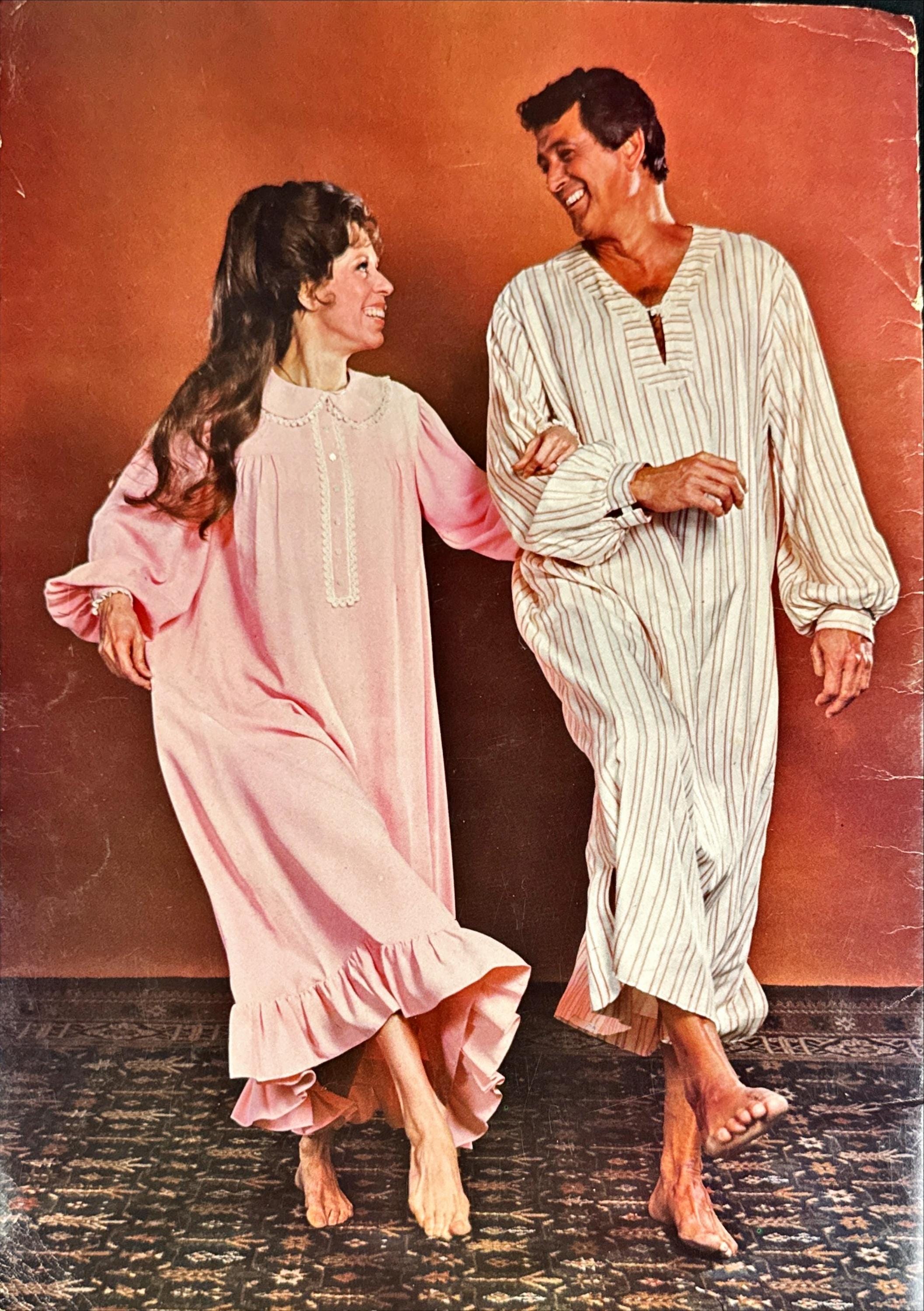
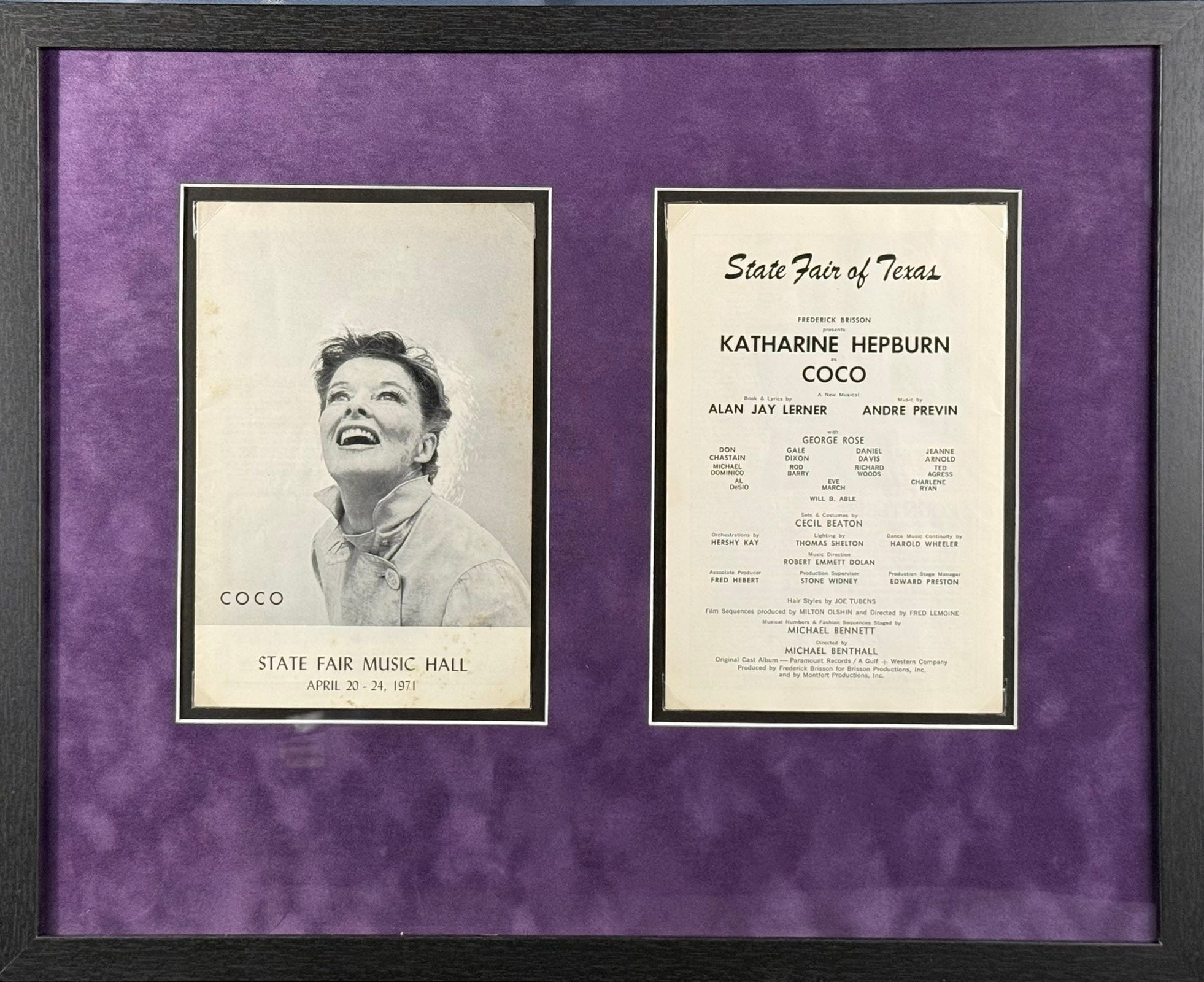
Throughout the next several decades, major stars graced the stage. Ethel Merman, Carol Burnett, Rock Hudson, Ginger Rogers, Cloris Leachman, Jim Nabors, Katharine Hepburn, Carol Lawrence, Paul Lynde, Shirley Jones, Lauren Bacall, Jane Powell and Gene Kelly among many others. There was even a stint from the Royal Balet in 1957.
The Music Hall has also hosted The Dallas Opera and The Dallas Symphony, bringing grand operas and classical performances to the venue. Playbills from these early years are very scarce and many are held by institutions and devout collectors.
I’m calling it The State Fair of Cedar Springs. It’s a nod to the neighborhood I operate from, and it’s a promise: you’re in the right place if you love the hunt, the story, the find that makes you wonder how you lived without it.
When you’re building something intentional in an underserved community, you learn fast that clarity is a gift. Over the past year, I’ve noticed a pattern: people hear about the exhibition and immediately start looking for directions to where it is in Fair Park. They imagine the butter sculptures, the fried everything, the crush of families on a October weekend. That’s not what I’m building.


So, I renamed it. The State Fair of Cedar Springs isn’t a competition or a collection of vintage Americana, but I almost feel compelled to have a hot dog eating contest. It’s an exhibition! A deliberate, curated space where you can stop an examine this wall that not only tells the story of the State Fair of Texas but also contains the backstory of the LGBT+ community. For on those stages, the plays, the musicals, the symphony, the operas were written, produced, staged and acted by members and allies of our community.
This shift, from name to reality, is worth talking about.
Why the Name Change Matters
The State Fair of Texas is a Dallas institution! 175 years of history, 24 days of crowds, Big Tex presiding over the fairgrounds like some joyful colossus. It’s iconic. But when I started planning, the name was working against me.
People immediately assumed I was setting up a booth at Fair Park during the fair itself. Are you inside the gates? Is this during Fair season? Do you need a ticket to the actual Fair to see the exhibit?
No.
And every conversation kept circling back to those questions.
And every conversation had to correct that assumption.
The Neighborhood
Cedar Springs, on the other hand, is my neighborhood. It’s where the coffee shop is, where the inventory lives, where I curate and hunt and build community with other collectors and vintage lovers. The name says: this is my space, my event, my curation on my terms. You’re not living in the margins of a bigger event as you battle the crowds just to get from place to place. You’re coming to me, where I’ve had the time to really think about what I’m showing and why.
No.
Cedar Springs, on the other hand, situates me in a real Dallas neighborhood—historic, queer, a place with its own creative history. The name is intentional. It says: this exhibition is rooted here, in a specific community and geography. Come to this space, not to a more famous one. The fairground of Cedar Springs is mine.
What You’ll Find
Dallas Rediscovered brings together the pieces I’ve hunted for, the finds that stopped me mid-sale, the items that carry stories worth keeping. Vintage finds from the eras when things were made to be beautiful and durable at once. Collectibles that matter to people who understand why a good piece from the right era is worth your space and your attention.
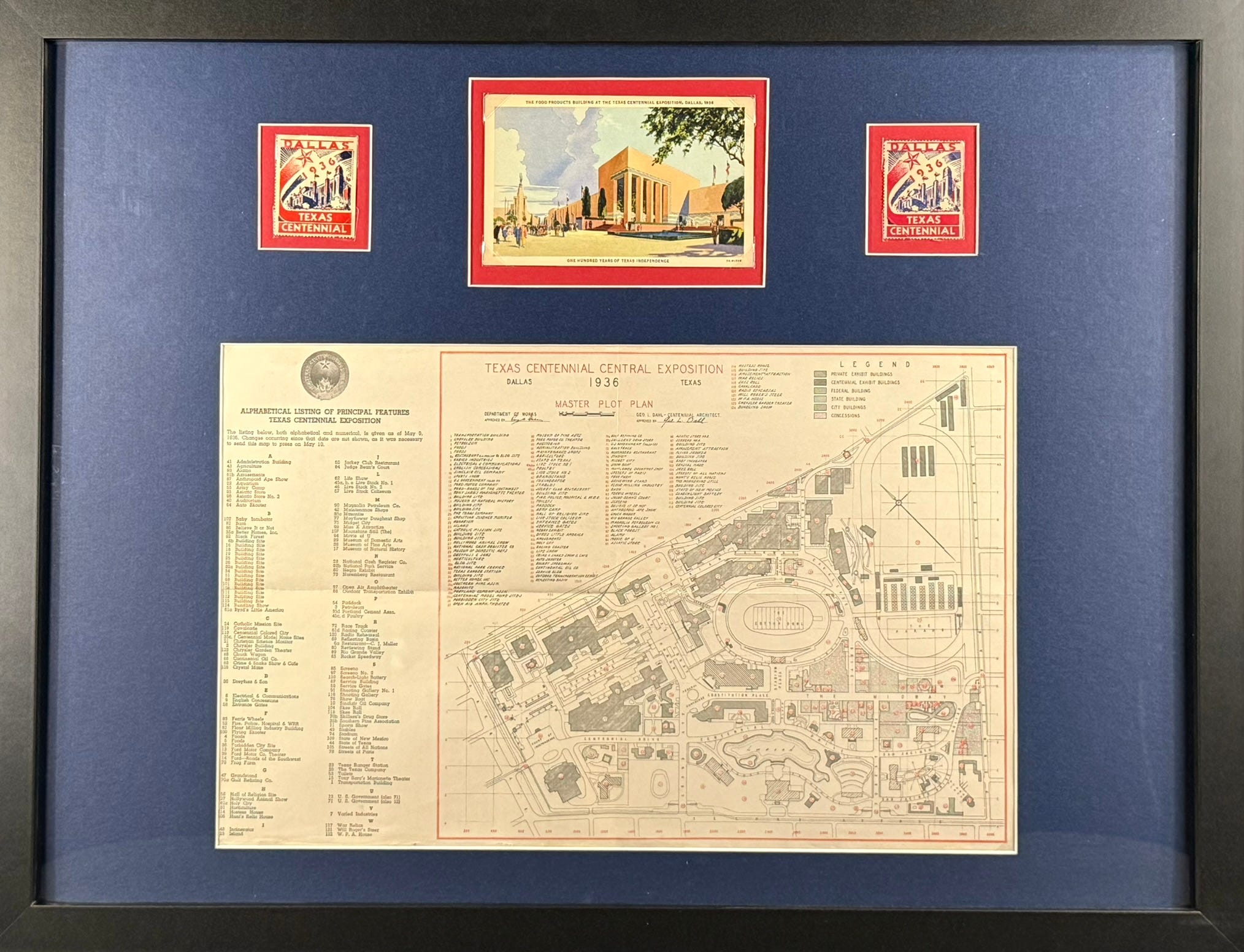
There are also a large number of pieces dedicated specifically to the Centennial 1936 Fair as that is really the inflection point for the Fair Grounds that we know today.


What ties it together isn’t a single category—it’s an approach. I curate with intention. Each item I bring has been vetted: Is it real? Does it have integrity? Will someone actually use this, or does it only make sense as an investment? I’m not here to move volume or flip commodities. I’m here because the story matters, because objects with history deserve homes where they’re valued.
Every piece in my booth has passed through my hands or come from collectors and dealers I trust. Some are finds from estates and auctions. This isn’t just inventory. It’s curation.
The State Fair of Cedar Springs brings together a curated collection of the preforming arts working across a variety of mediums. What ties the work together isn’t a single medium or a rigid identity—it’s an approach.
I’ve curated with intention here. Each work in this exhibition has something real to say, and they’re saying it without apology or performance. There’s no irony in the air. That’s rare.
As the curator, my role has been to help each work be heard—to create space where their work reads clearly, is treated with respect, and reaches people who need to see it.
What I’m Building
I have built Dallas Rediscovered on a simple principle: real things, real stories, real connections. I believe in the hunt. I believe that objects are artifacts and they have provenance and lives, that are worth respecting.
The State Fair of Cedar Springs is my answer to the question: where do serious collectors go when they want to find serious things? Not a flea market where everything’s a flip. Not a trendy vintage shop trading on aesthetics alone. A curated market run by people who understand what they’re displaying and why.
If you collect. If you hunt. If you believe that the right object in the right home makes a difference. Come to Cedar Springs. Bring time and attention. I’ll have something worth both.
The name changed. The mission doesn’t. But now you’ll know exactly where to find me—and you’ll know what you’re walking into.
The State Fair of Cedar Springs is my answer to that gap. It’s a commitment to showing work that matters, even when it makes people uncomfortable. Especially then.
If you’re an artist working in queer spaces, embodied spaces, this exhibition is for you. Come feel what it’s like to gaze upon a collection where every artifact feels like a piece of your past in a space that gets it.
And if you’re someone curious about what’s possible when you curate with compassion. Come. Look. Let yourself be changed a little.
The name changed. The work doesn’t. But now you’ll know exactly where to find me.
If you like what you see, please subscribe to this free Substack so you can get messages on upcoming exhibits and other pieces on Dallas history delivered directly to your inbox.